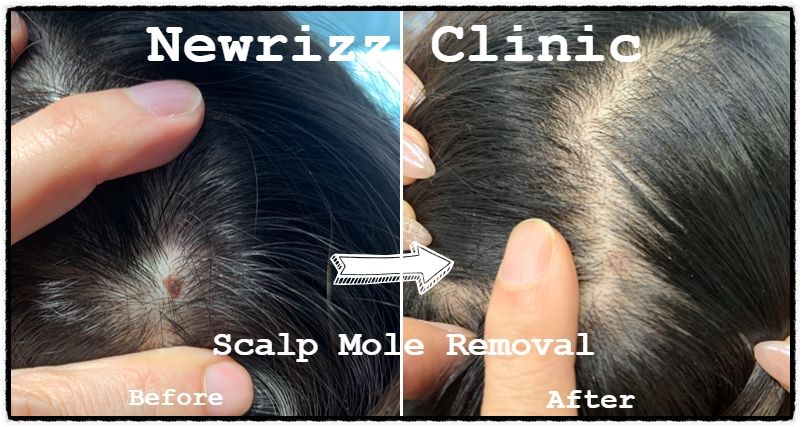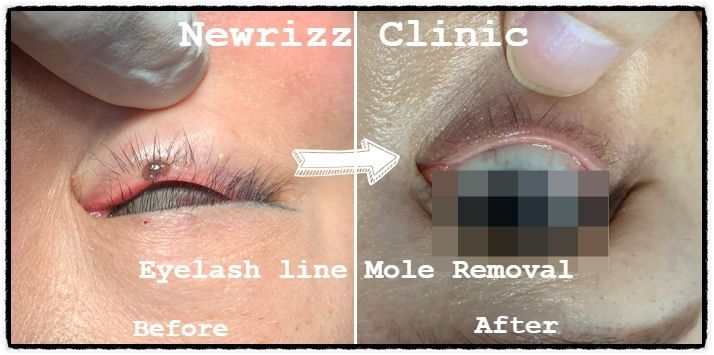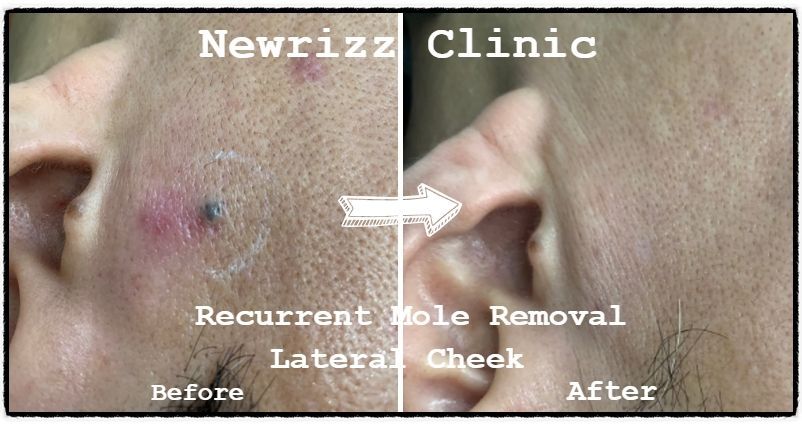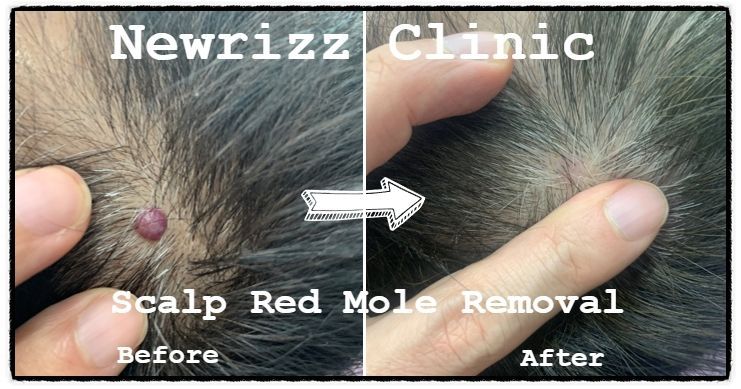
Mole Biopsy Seoul | Suspicious Mole Testing & Pathology Analysis at Newrizz Skin Clinic
What is a mole biopsy?
A mole biopsy is a procedure in which all or part of a suspicious mole is removed and examined under a microscope. It is the most reliable way to determine whether abnormal or cancerous cells are present.
When should a mole be biopsied?
A biopsy may be recommended when a mole changes in size, shape, color, or texture, develops irregular borders, bleeds, or appears suspicious during a dermatologic examination.
Mole Biopsy in Seoul
A mole biopsy is a medical procedure used to determine whether a mole or skin lesion contains abnormal, precancerous, or cancerous cells. During the procedure, all or part of the mole is removed and sent to a pathology laboratory for microscopic examination. A biopsy remains the definitive method for diagnosing suspicious pigmented lesions and melanoma.
At Newrizz Skin Clinic in Jamsil, Seoul, patients receive comprehensive mole assessments, dermoscopic evaluation, biopsy procedures, and personalized treatment recommendations based on clinical findings.
What Is a Mole Biopsy?
A mole biopsy involves removing a portion or the entirety of a suspicious mole for laboratory analysis. A dermatopathologist examines the tissue under a microscope to determine whether the lesion is benign, atypical, precancerous, or malignant.
Unlike cosmetic mole removal, a biopsy focuses on obtaining a tissue diagnosis and identifying potentially serious skin conditions.
When Is a Mole Biopsy Recommended?
Your dermatologist may recommend a biopsy if a mole:
- Changes in size
- Changes in color
- Develops irregular borders
- Becomes asymmetrical
- Bleeds spontaneously
- Causes itching or pain
- Recurs after previous removal
- Appears clinically suspicious under dermoscopy
Biopsy is commonly recommended when lesions demonstrate ABCDE warning signs associated with melanoma or other skin cancers.
Signs of a Suspicious Mole
Asymmetry
One half of the mole differs from the other.
Border Irregularity
Edges appear uneven, jagged, or poorly defined.
Color Variation
Multiple shades of brown, black, red, blue, or white may be present.
Diameter Enlargement
The lesion appears larger than surrounding moles or continues to grow.
Evolution
Any recent change in appearance, elevation, texture, or symptoms may warrant evaluation.
Types of Mole Biopsies
Excisional Biopsy
The entire lesion is removed along with a small margin of surrounding skin. This is often considered the preferred approach when melanoma is suspected because it provides the most complete tissue sample for diagnosis.
Punch Biopsy
A circular instrument removes a deeper cylindrical sample of tissue. This technique may be useful for certain lesions extending into deeper skin layers.
Shave Biopsy
A superficial portion of the lesion is removed using a specialized blade. This method may be used for selected lesions depending on clinical judgment.
Incisional Biopsy
Only part of the lesion is removed when complete excision is not initially practical because of size or location.
What Happens During a Mole Biopsy?
Initial Consultation
Your dermatologist reviews your medical history, family history, previous skin lesions, and current concerns.
Dermoscopic Examination
A dermatoscope is used to evaluate pigment patterns and structures beneath the skin surface before determining whether biopsy is necessary.
Local Anesthesia
The treatment area is numbed to ensure patient comfort.
Tissue Removal
The appropriate biopsy technique is selected based on lesion characteristics.
Laboratory Analysis
The specimen is sent to a pathology laboratory where specialists examine the tissue microscopically. Pathology findings determine whether the lesion is benign or requires further treatment.
Understanding Pathology Results
A pathology report may identify:
- Benign mole (nevus)
- Dysplastic nevus
- Atypical melanocytic lesion
- Precancerous changes
- Basal cell carcinoma
- Squamous cell carcinoma
- Melanoma
These findings help guide future monitoring, treatment, and follow-up recommendations.
Recovery After a Mole Biopsy
Most patients return to normal activities shortly after treatment.
Recovery recommendations may include:
- Keeping the area clean
- Applying prescribed ointment
- Avoiding unnecessary friction
- Protecting healing skin from sun exposure
- Attending follow-up appointments for pathology review
Healing time varies depending on lesion size, biopsy method, and body location.
Why Choose Newrizz Skin Clinic?
Located in Jamsil, Newrizz Skin Clinic provides both cosmetic and medical dermatologic care for Korean and international patients.
Advantages
- Experienced skin lesion assessment
- Advanced dermoscopic evaluation
- Medical and cosmetic mole management
- Personalized treatment planning
- English-speaking support
- Convenient Seoul location
- Follow-up monitoring and scar management
Frequently Asked Questions
Is a mole biopsy painful?
The procedure is performed under local anesthesia, so most patients experience minimal discomfort during treatment. Mild soreness afterward is usually temporary.
How long does a mole biopsy take?
Most biopsy procedures can be completed during an outpatient dermatology visit. Treatment time depends on lesion size and biopsy type.
How long do pathology results take?
Most pathology laboratories provide results within several days to a few weeks. Your dermatologist will review the findings and discuss any necessary follow-up treatment.
Can a mole biopsy diagnose skin cancer?
Yes. Histologic examination of biopsy tissue is considered the definitive diagnostic method for melanoma and many other skin cancers.
Will I have a scar?
Any biopsy may leave some degree of scarring. The extent depends on the biopsy technique, lesion size, body location, and individual healing characteristics.
What happens if my biopsy is abnormal?
Additional treatment may be recommended depending on the pathology findings. This could include wider excision, monitoring, or referral for further care.
Can facial moles be biopsied?
Yes. Facial lesions can be biopsied when medically necessary. Dermatologists select techniques that balance diagnostic accuracy and cosmetic outcomes.
Can international patients receive mole biopsies in Seoul?
Yes. Newrizz Skin Clinic welcomes international patients seeking mole evaluation, diagnosis, and treatment while visiting Seoul.