Skin Cancer Screening Seoul | Mole Checks & Early Detection at Newrizz Skin Clinic
What is skin cancer screening?
Skin cancer screening is a dermatologist-performed examination that evaluates moles and skin lesions for signs of melanoma and other skin cancers. Screening often includes dermoscopy, which improves the accuracy of lesion assessment.
When should I get a skin cancer screening?
You should consider screening if you notice a changing mole, have numerous moles, significant sun exposure, a family history of skin cancer, or any suspicious new skin lesion.
Skin Cancer Screening in Seoul
Skin cancer screening is a comprehensive dermatologic examination designed to identify suspicious moles, abnormal skin lesions, and early signs of melanoma or non-melanoma skin cancers. At Newrizz Skin Clinic in Jamsil, Seoul, our team performs detailed skin assessments, dermoscopic examinations, and mole evaluations to help patients monitor skin health and detect concerning changes early. The ABCDE method remains one of the most widely used approaches for identifying suspicious lesions, while dermoscopy significantly improves diagnostic accuracy compared with visual examination alone.
What Is Skin Cancer Screening?
A skin cancer screening involves a dermatologist examining moles, freckles, pigmented lesions, and other skin abnormalities for signs of potential skin cancer. During the examination, suspicious lesions may be evaluated using dermoscopy, a non-invasive imaging technique that allows visualization of structures beneath the skin surface not visible to the naked eye.
The goal is to identify lesions that may require monitoring, photography-based follow-up, biopsy, or removal.
Why Is Early Detection Important?
Skin cancers are often highly treatable when identified at an early stage. Dermatologic examinations and dermoscopic assessments help clinicians recognize suspicious lesions before they become more advanced. Studies show that dermoscopic screening can improve melanoma detection and facilitate earlier diagnosis of thinner lesions.
Who Should Consider Skin Cancer Screening?
Skin cancer screening may be beneficial for patients who:
- Have numerous moles
- Notice a changing mole
- Have fair or sun-sensitive skin
- Have experienced frequent sunburns
- Spend significant time outdoors
- Have a family history of skin cancer
- Have previously had suspicious skin lesions
- Are concerned about a new or unusual skin growth
Patients with higher risk factors may benefit from periodic professional skin examinations.
Warning Signs: The ABCDE Rule
Dermatologists commonly evaluate moles using the ABCDE criteria:
A – Asymmetry
One half of the mole does not match the other half.
B – Border Irregularity
The edges appear uneven, ragged, or poorly defined.
C – Color Variation
Multiple colors or uneven pigmentation are present.
D – Diameter
The lesion appears larger than surrounding moles or continues growing.
E – Evolving
Any change in size, shape, color, elevation, or symptoms over time.
What Happens During a Skin Cancer Screening?
Medical History Review
Your dermatologist reviews previous skin concerns, family history, and recent mole changes.
Full Skin Examination
Visible lesions are examined for suspicious characteristics and concerning patterns.
Dermoscopic Evaluation
A dermatoscope magnifies skin structures and pigment patterns, helping dermatologists distinguish benign lesions from potentially malignant lesions. Dermoscopy improves diagnostic accuracy and may reduce unnecessary biopsies.
Treatment Recommendations
Depending on the findings, recommendations may include:
- Routine monitoring
- Digital mole photography
- Follow-up examinations
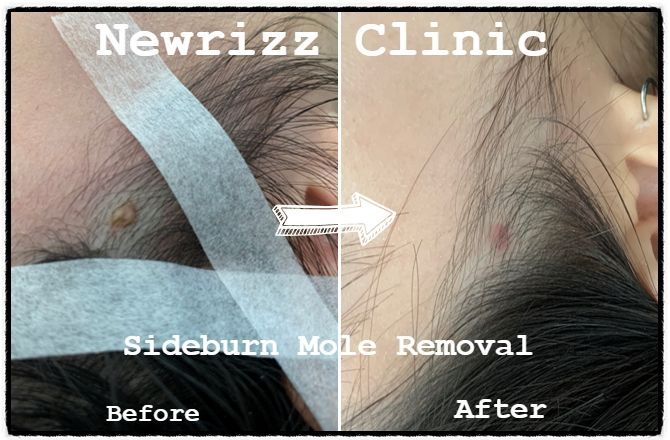
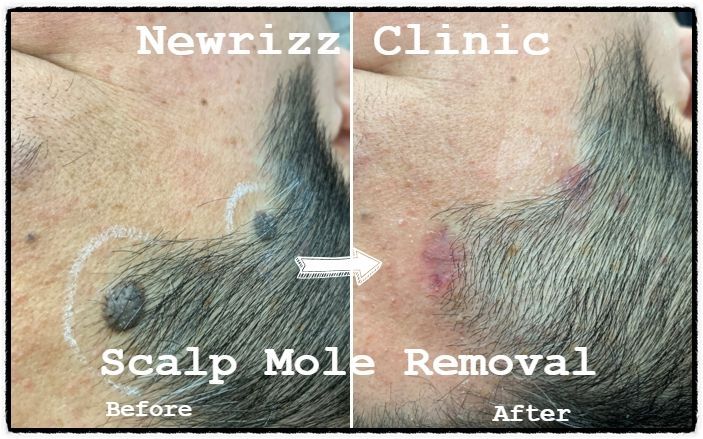
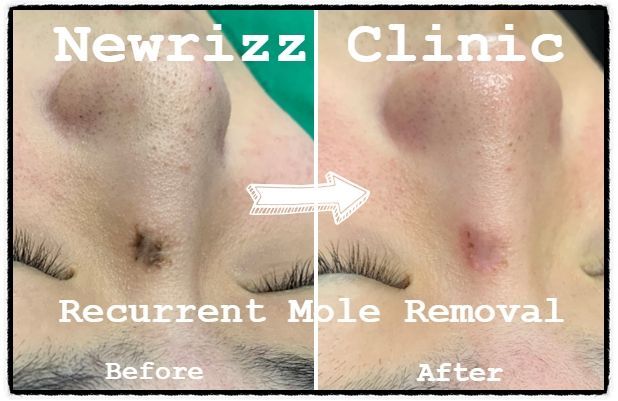
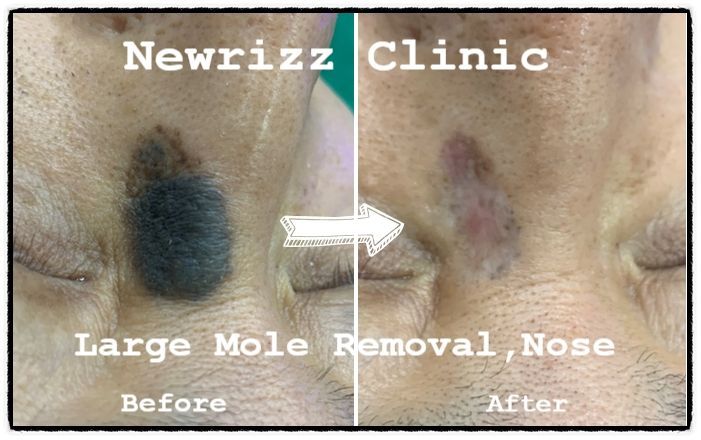
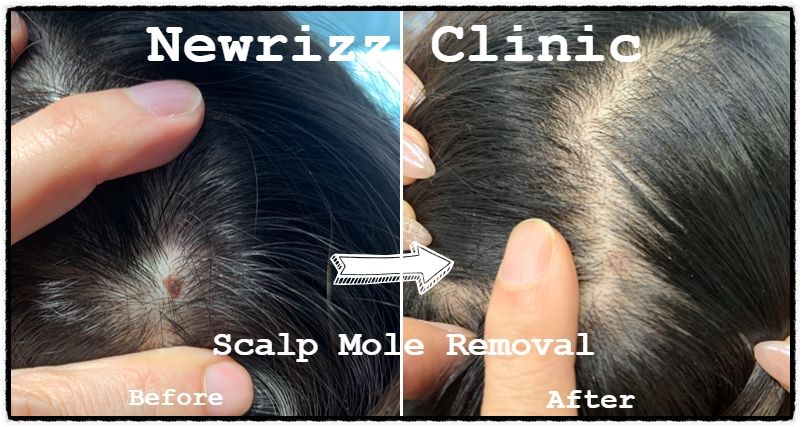
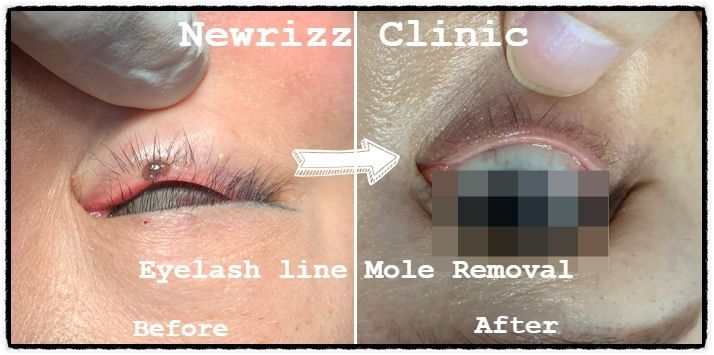
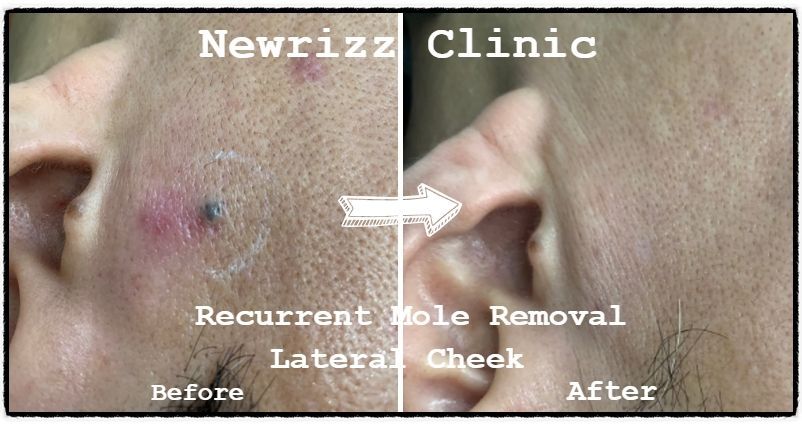
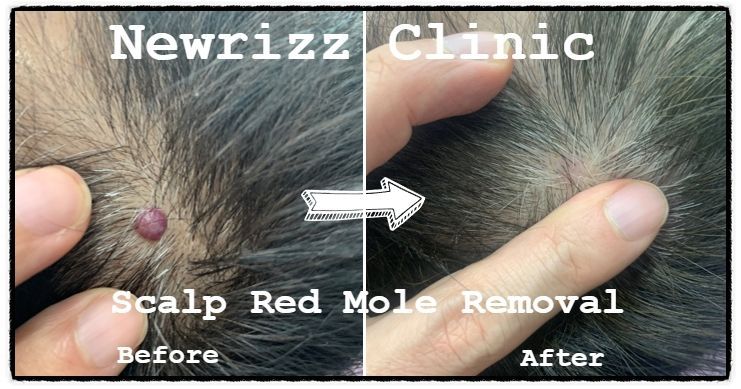
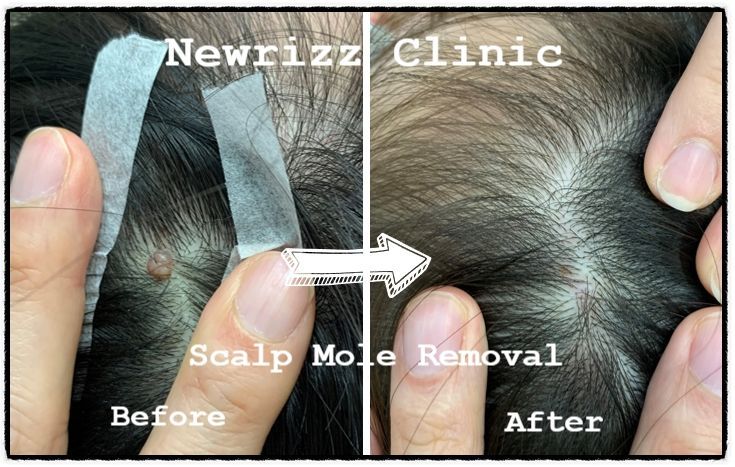
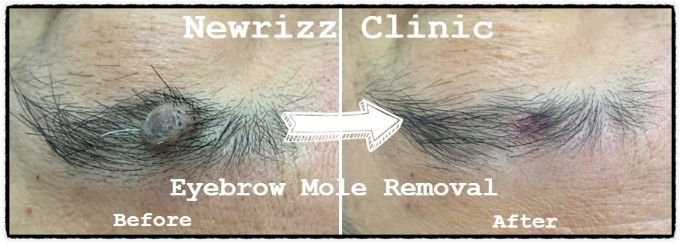
- Mole removal
- Skin biopsy
- Surgical excision
- Referral for specialized care
Conditions Evaluated During Screening
Melanoma
Melanoma is the most serious form of skin cancer and can develop from existing moles or appear as new lesions. Early recognition and treatment are critical.
Basal Cell Carcinoma
Often appears as a persistent growth, shiny bump, or non-healing lesion.
Squamous Cell Carcinoma
May appear as a rough, scaly, or thickened skin lesion.
Atypical Moles
Some moles display unusual features that require monitoring or biopsy to determine their significance.
Mole Mapping and Monitoring
For patients with multiple moles, mole mapping and photographic monitoring can help detect subtle changes over time. Digital tracking may improve long-term surveillance of high-risk patients.
Why Choose Newrizz Skin Clinic?
Located in Jamsil, Seoul, Newrizz Skin Clinic provides dermatologic care for Korean residents, expatriates, and international visitors.
Our Advantages
- Comprehensive mole evaluations
- Dermoscopic skin examinations
- Personalized dermatology consultations
- Mole removal services
- Suspicious lesion assessment
- English-speaking support
- Convenient Jamsil location
- Follow-up monitoring programs
Frequently Asked Questions
Does skin cancer screening hurt?
No. Skin examinations and dermoscopy are non-invasive and painless procedures. Most screenings can be completed during a routine dermatology visit.
What is dermoscopy?
Dermoscopy is a specialized diagnostic technique that uses magnification and illumination to evaluate structures beneath the skin surface. It improves the accuracy of skin cancer detection compared with visual inspection alone.
Can a dermatologist tell if a mole is cancerous?
Dermatologists can identify suspicious features during an examination, but a biopsy is generally required to definitively diagnose melanoma or skin cancer.
How often should I get screened?
Screening frequency depends on your individual risk factors and skin history. Higher-risk patients may benefit from more frequent examinations.
Can melanoma develop from a normal-looking mole?
Yes. Melanoma may develop from an existing mole or appear as a completely new lesion. Monitoring changes remains important.
What happens if a suspicious lesion is found?
Your dermatologist may recommend monitoring, photography, biopsy, or removal depending on the lesion's characteristics and level of concern.
Is skin cancer screening recommended for younger adults?
Patients of any age who notice concerning skin changes should seek evaluation. Risk factors and lesion characteristics are more important than age alone.
Can international patients receive screening in Seoul?
Yes. Newrizz Skin Clinic welcomes international patients seeking mole checks, skin lesion evaluations, and dermatologic consultations while visiting Korea.