Mole Check Seoul | Mole Screening & Skin Lesion Evaluation at Newrizz Skin Clinic
What is a mole check?
A mole check is a dermatologic examination that evaluates moles and skin lesions for signs of abnormal changes. Dermatologists use visual assessment and dermoscopy to determine whether monitoring, removal, or biopsy is necessary.
When should I get a mole checked?
You should seek evaluation if a mole changes in size, color, shape, texture, or begins to itch, bleed, or grow rapidly. Early assessment can help identify concerning lesions before they progress.
Mole Check in Seoul at Newrizz Skin Clinic
A mole check is a professional dermatologic examination used to evaluate moles, pigmented lesions, freckles, and unusual skin growths. At Newrizz Skin Clinic in Jamsil, our dermatology team carefully assesses suspicious moles using modern diagnostic techniques and determines whether observation, biopsy, or removal is recommended.
Regular mole examinations help identify changes in size, shape, color, texture, or border characteristics that may indicate an abnormal skin lesion. Early evaluation is especially important for individuals with multiple moles, extensive sun exposure, or a family history of skin cancer. Dermatologists commonly use dermoscopy and visual assessment to examine lesions more closely and monitor suspicious changes.
Why Get a Mole Check?
Many moles are completely benign, but some lesions can change over time. A professional mole examination may help identify:
- New or changing moles
- Irregular pigmentation
- Asymmetrical lesions
- Raised or rapidly growing moles
- Suspicious skin spots
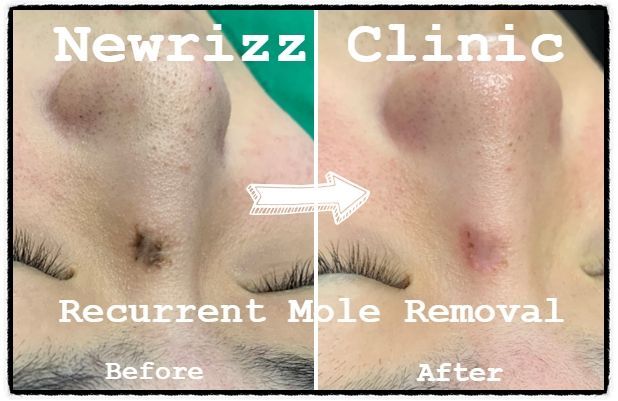
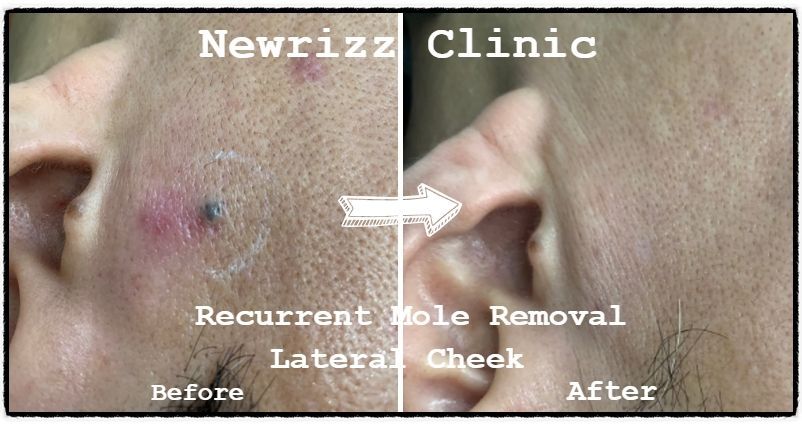
- Recurrent moles after removal
- Sun-damaged skin lesions
- Potential precancerous changes
Dermatologists often evaluate lesions using the ABCDE criteria:
- A – Asymmetry
- B – Border irregularity
- C – Color variation
- D – Diameter enlargement
- E – Evolution or change over time
These features are widely used during skin cancer and melanoma screening assessments.
Who Should Consider a Mole Check?
You may benefit from a mole examination if you:
- Have a mole that recently changed appearance
- Have more than 50 moles
- Notice itching, bleeding, or irritation
- Have a personal or family history of skin cancer
- Spend significant time outdoors
- Frequently experienced sunburns in childhood
- Have fair or sun-sensitive skin
- Are concerned about a facial or body mole before removal
Regular monitoring is especially valuable for patients with numerous moles or elevated skin cancer risk factors.
What Happens During a Mole Check?
Consultation
Your dermatologist reviews your medical history, skin concerns, and any recent changes you've noticed.
Visual Skin Examination
The mole and surrounding skin are carefully examined for suspicious characteristics.
Dermoscopic Evaluation
A dermatoscope may be used to magnify and analyze pigment patterns beneath the skin surface, providing greater diagnostic accuracy.
Treatment Planning
Depending on the findings, your dermatologist may recommend:
- Continued monitoring
- Digital photography follow-up
- Mole removal
- Biopsy evaluation
- Surgical excision
- Additional dermatologic assessment
Mole Removal After Examination
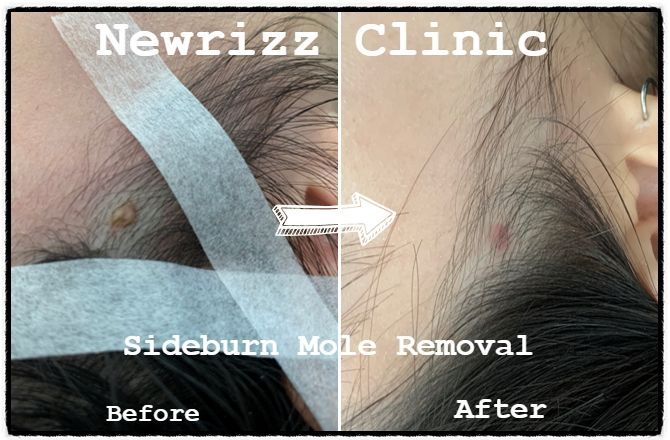
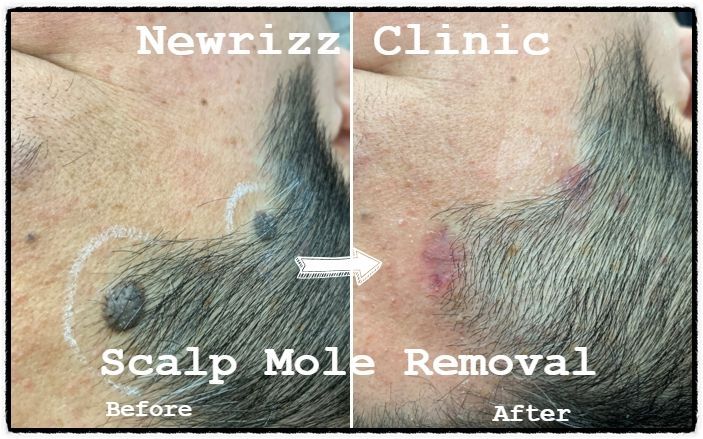
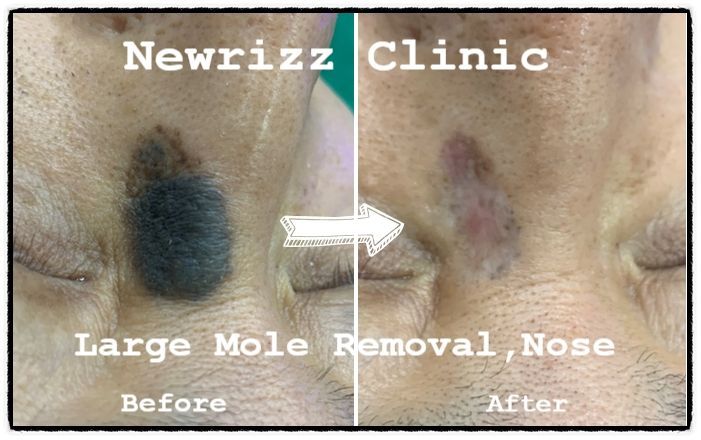
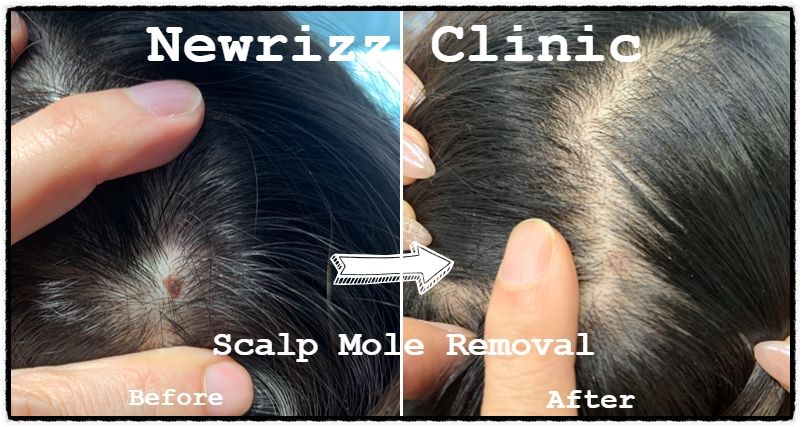
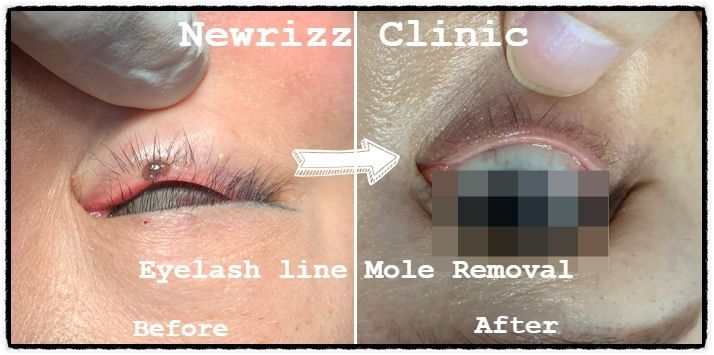
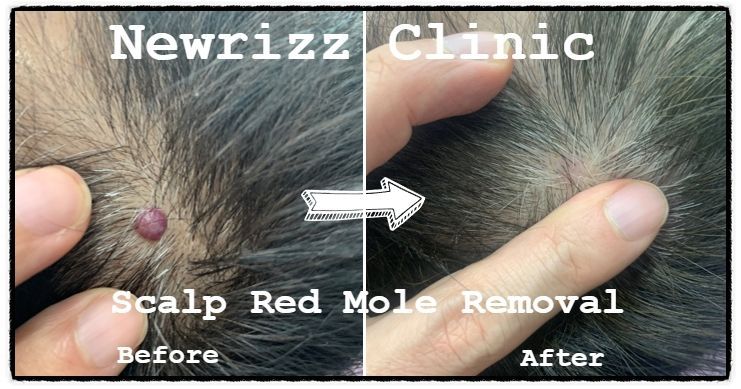
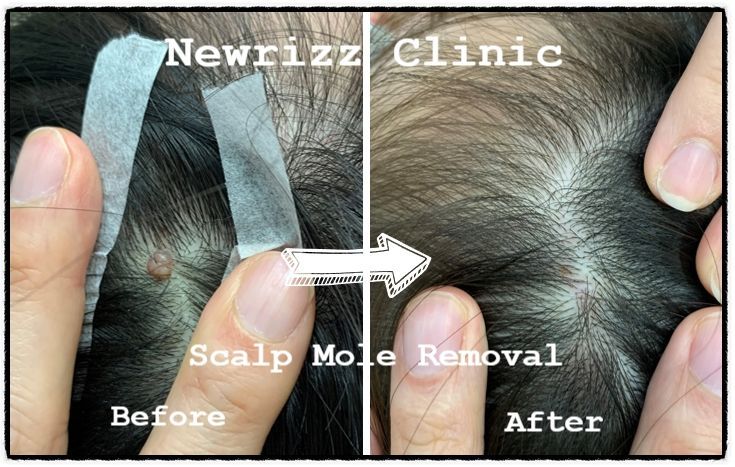
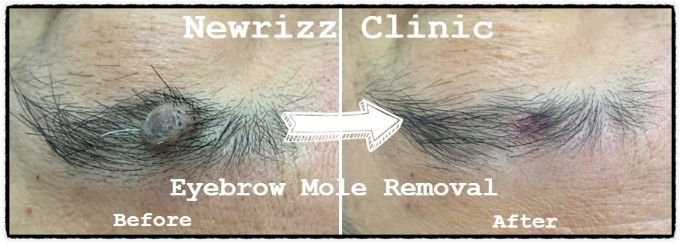
If a mole appears cosmetically bothersome, frequently irritated, or medically suspicious, removal may be recommended.
Common removal methods include:
- CO2 laser mole removal
- Shave excision
- Punch excision
- Surgical excision
- Histopathologic biopsy when indicated
The most appropriate treatment depends on the mole's size, depth, location, and clinical appearance.
Why Choose Newrizz Skin Clinic?
Located in Jamsil, Seoul, Newrizz Skin Clinic provides personalized dermatologic care for both local and international patients.
Benefits
- Experienced dermatology team
- Advanced skin imaging and assessment
- Cosmetic and medical mole evaluation
- English-speaking patient support
- Convenient Jamsil location
- Individualized treatment recommendations
- Follow-up care for suspicious lesions
Frequently Asked Questions
How often should I get a mole check?
Patients with many moles, significant sun exposure, or a family history of skin cancer may benefit from regular dermatologic examinations. The recommended frequency depends on individual risk factors and previous findings.
Are all changing moles cancerous?
No. Many changing moles are benign. However, any noticeable change should be evaluated by a dermatologist to determine whether further testing or treatment is necessary.
What is dermoscopy?
Dermoscopy is a non-invasive imaging technique that allows dermatologists to examine pigment structures beneath the skin surface. It improves diagnostic accuracy compared with visual examination alone.
Can suspicious moles be removed immediately?
In some cases, yes. If removal is appropriate, your dermatologist may recommend excision, biopsy, or laser treatment depending on the lesion's characteristics.
Does a mole check hurt?
No. Mole examinations and dermoscopic assessments are non-invasive and painless.
How long does a mole check take?
Most consultations take approximately 10–30 minutes depending on the number of lesions being evaluated.
Can you check facial moles?
Yes. Facial moles are commonly evaluated for both cosmetic and medical reasons. Treatment recommendations depend on location, depth, and appearance.
What if my mole is found to be suspicious?
Your dermatologist may recommend monitoring, biopsy, or complete removal for further laboratory analysis. Early detection generally leads to better treatment outcomes.