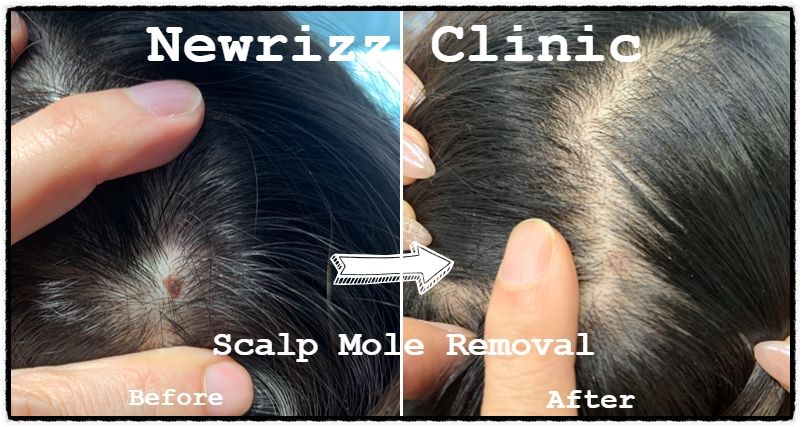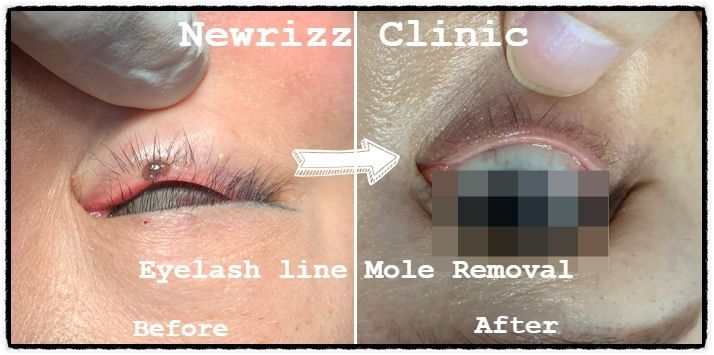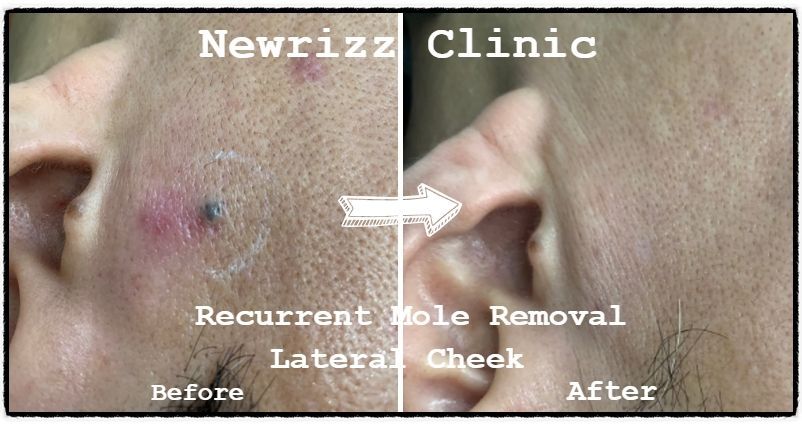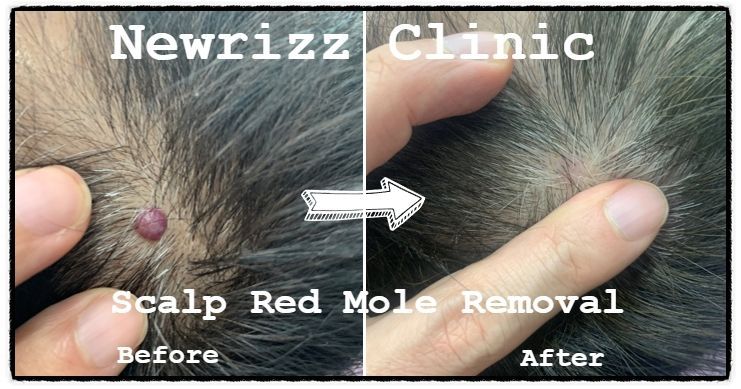
Mole Regrowth After Removal | Recurrent Mole Treatment in Seoul | Newrizz Skin Clinic
Why did my mole grow back after removal?
Mole regrowth usually occurs because some pigment-producing cells remained beneath the skin after treatment. These cells can produce new pigmentation over time, resulting in a recurrent mole or recurrent nevus.
Is a recurring mole dangerous?
Most recurrent moles are benign. However, because recurrent pigmentation can sometimes resemble melanoma, dermatologic evaluation is recommended whenever a mole returns after removal.
Mole Regrowth After Removal in Seoul
Many patients are surprised when a mole appears to return after removal. While complete removal often permanently eliminates a mole, regrowth can occur when residual mole cells remain beneath the skin. This phenomenon is commonly known as a recurrent nevus or recurrent mole. In most cases, regrowth is benign, but any recurring pigmented lesion should be evaluated by a dermatologist to rule out atypical changes or melanoma.
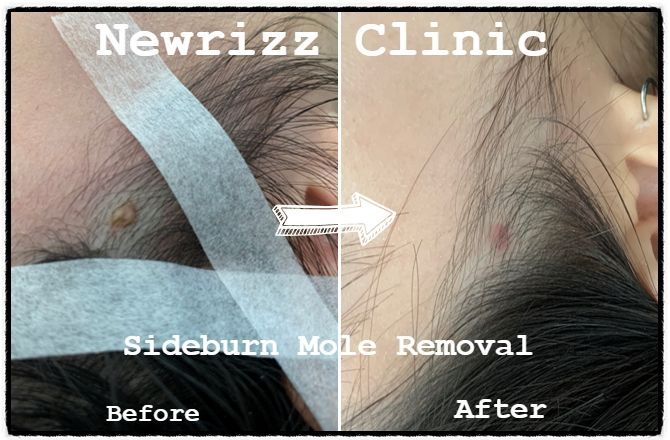
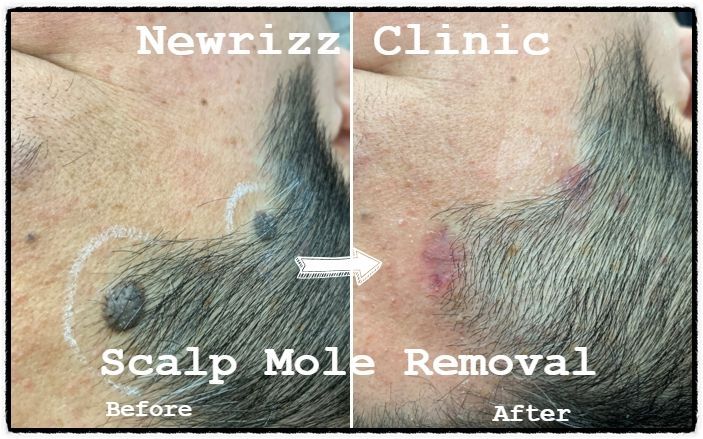
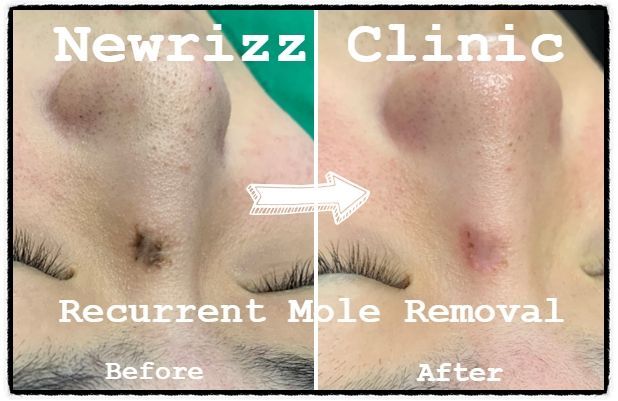
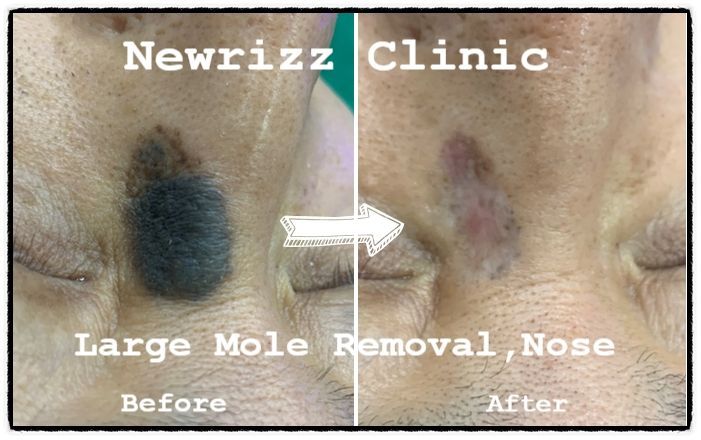
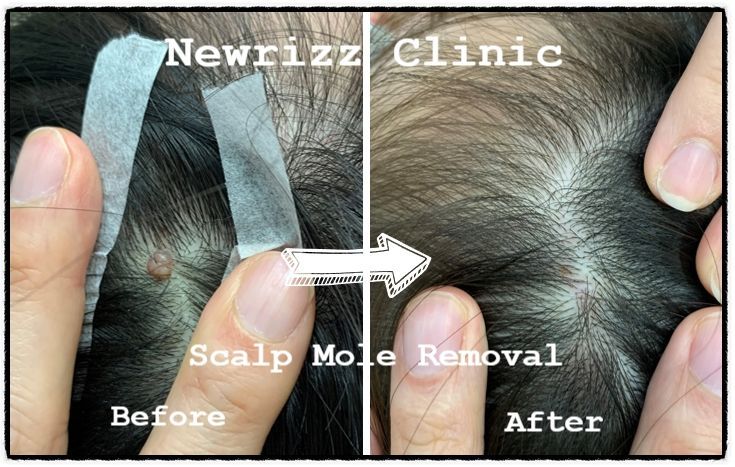
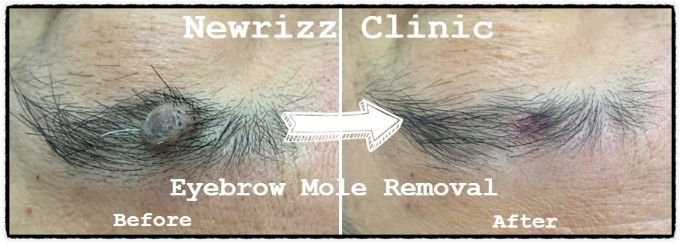
At Newrizz Skin Clinic in Jamsil, Seoul, we evaluate recurrent moles, pigmentation recurrence, scar-associated mole regrowth, and suspicious lesions that develop after previous mole removal procedures.
Can a Mole Grow Back After Removal?
Yes. A mole can grow back if melanocyte (pigment-producing) cells remain beneath the skin after treatment. The likelihood of recurrence depends on the removal method, the depth of the mole, and whether all mole cells were completely removed.
Regrowth is more commonly seen after:
- Shave removal
- Laser mole removal
- Partial excision
- Cosmetic mole removal
- Previous treatment performed elsewhere
- Deep or congenital moles
Surgical excision generally has the lowest recurrence rate because deeper tissue is removed.
What Is a Recurrent Nevus?
A recurrent nevus is a mole that reappears after a previous biopsy or removal procedure. Remaining melanocytes within the scar tissue can produce new pigment months or even years after treatment. The resulting lesion may appear darker, more irregular, or different from the original mole because pigment develops within scar tissue.
This condition is sometimes referred to as the recurrent nevus phenomenon or pseudomelanoma because it can resemble melanoma during examination.
Why Do Moles Grow Back?
Incomplete Removal
The most common cause of recurrence is residual mole cells left beneath the skin.
Deep Mole Structure
Some compound and dermal nevi extend deeper than the visible surface, making complete removal more challenging.
Laser Treatment Limitations
Laser treatments primarily target superficial pigment. Deep nevus cells may remain and later produce new pigmentation. Recurrence after laser treatment is well recognized in dermatology literature.
Healing and Scar Formation
Scar tissue may alter the appearance of recurring pigmentation, causing the lesion to look irregular even when benign.
Signs You Should Have a Recurrent Mole Evaluated
You should schedule a dermatology consultation if a previously removed mole:
- Begins growing again
- Develops darker pigmentation
- Changes shape or border
- Becomes raised
- Starts itching or bleeding
- Appears rapidly after removal
- Looks significantly different from before
- Develops multiple colors
Although recurrence is usually benign, suspicious changes should always be professionally evaluated.
How Newrizz Skin Clinic Evaluates Recurrent Moles
Dermatology Consultation
We review previous treatments, pathology reports, and the timeline of recurrence.
Dermoscopic Examination
Dermoscopy allows detailed assessment of pigment structures and recurrence patterns.
Scar Assessment
We evaluate whether pigmentation is confined to scar tissue or extends beyond the original treatment site.
Biopsy When Necessary
If a lesion appears atypical or concerning, biopsy may be recommended to obtain a definitive diagnosis.
Treatment Options for Recurrent Moles
Observation
Benign recurrent moles may simply be monitored over time.
Repeat Mole Removal
Residual mole cells can often be treated with repeat removal procedures.
Surgical Excision
For recurrent or suspicious lesions, complete surgical excision may be recommended to minimize future recurrence. Surgical excision offers the lowest likelihood of regrowth compared with superficial techniques.
Pathology Examination
Tissue analysis can confirm whether recurrence is benign or requires further treatment.
Preventing Mole Regrowth
While recurrence cannot always be prevented, the risk may be reduced by:
- Selecting the appropriate removal technique
- Removing deeper lesions completely
- Following aftercare instructions
- Attending follow-up appointments
- Seeking evaluation for any new pigmentation within scars
Professional medical removal generally produces lower recurrence rates than superficial cosmetic approaches.
Why Choose Newrizz Skin Clinic?
Located in Jamsil, Seoul, Newrizz Skin Clinic provides comprehensive mole assessment, removal, and follow-up care for local and international patients.
Benefits
- Dermatology-focused mole evaluation
- Dermoscopic examination
- Recurrent mole assessment
- Surgical and non-surgical removal options
- Scar evaluation and management
- English-speaking support
- Convenient Jamsil location
- Personalized treatment plans
Frequently Asked Questions
How common is mole regrowth after removal?
The likelihood depends on the removal technique and the depth of the original mole. Recurrence is generally more common after shave removal and laser treatments than after complete surgical excision.
How long does it take for a mole to grow back?
Many recurrent moles appear within the first several months after treatment, although some may not become noticeable until much later.
Is a recurrent nevus the same as melanoma?
No. A recurrent nevus is usually benign. However, because it can sometimes resemble melanoma clinically and dermoscopically, professional evaluation is important.
Can laser mole removal cause recurrence?
Recurrence can occur after laser treatment because deeper nevus cells may remain beneath the skin surface. This is one reason suspicious lesions are often evaluated carefully before laser treatment is considered.
Should I remove a recurring mole again?
This depends on the appearance of the lesion, previous pathology findings, and your dermatologist's assessment. Some recurrent moles may only require monitoring, while others benefit from complete excision.
Can a mole grow back years later?
Yes. Although many recurrent moles appear within months, recurrence can occasionally occur years after the original procedure.
Will a recurrent mole always require biopsy?
Not necessarily. Dermoscopic evaluation may help determine whether monitoring or biopsy is the most appropriate next step.
What is the best way to prevent recurrence?
Complete removal of deeper mole tissue generally provides the lowest risk of recurrence. Surgical excision typically offers the most definitive treatment.